
Mulesing-free: what does it mean and why should you look out for it?
More and more people want to know where their clothes come from. A fair question. With wool there is something specific at play; something not everyone knows about, but that you really should know if you want to shop consciously.
We are talking about mulesing. And although the word may sound unfamiliar, the practice is unfortunately very common in the wool industry. In this article we explain what it is, why it is a problem, and how you as a consumer can choose wool where it does not happen.
What is mulesing?
Mulesing is a procedure in which strips of skin around a sheep's tail are cut away, without anaesthetic. It is done to prevent flystrike, which in humid regions (particularly Australia) is a major problem for sheep with a lot of skin folds.
It sounds brutal, and it is. Animal welfare organisations worldwide have been opposing this practice for years. Even so, in many countries it is still the norm, including at large and well-known wool brands.
Why is it not always mentioned?
That is a fair question. Wool generally has a "natural" and "good" image, and many brands do not actively communicate about it. Unless they explicitly state that their wool is mulesing-free, you simply do not know.
Buying woollen clothing or socks and finding nothing mentioned about animal welfare? Then there is a good chance the wool was produced using mulesing.
What is the alternative?
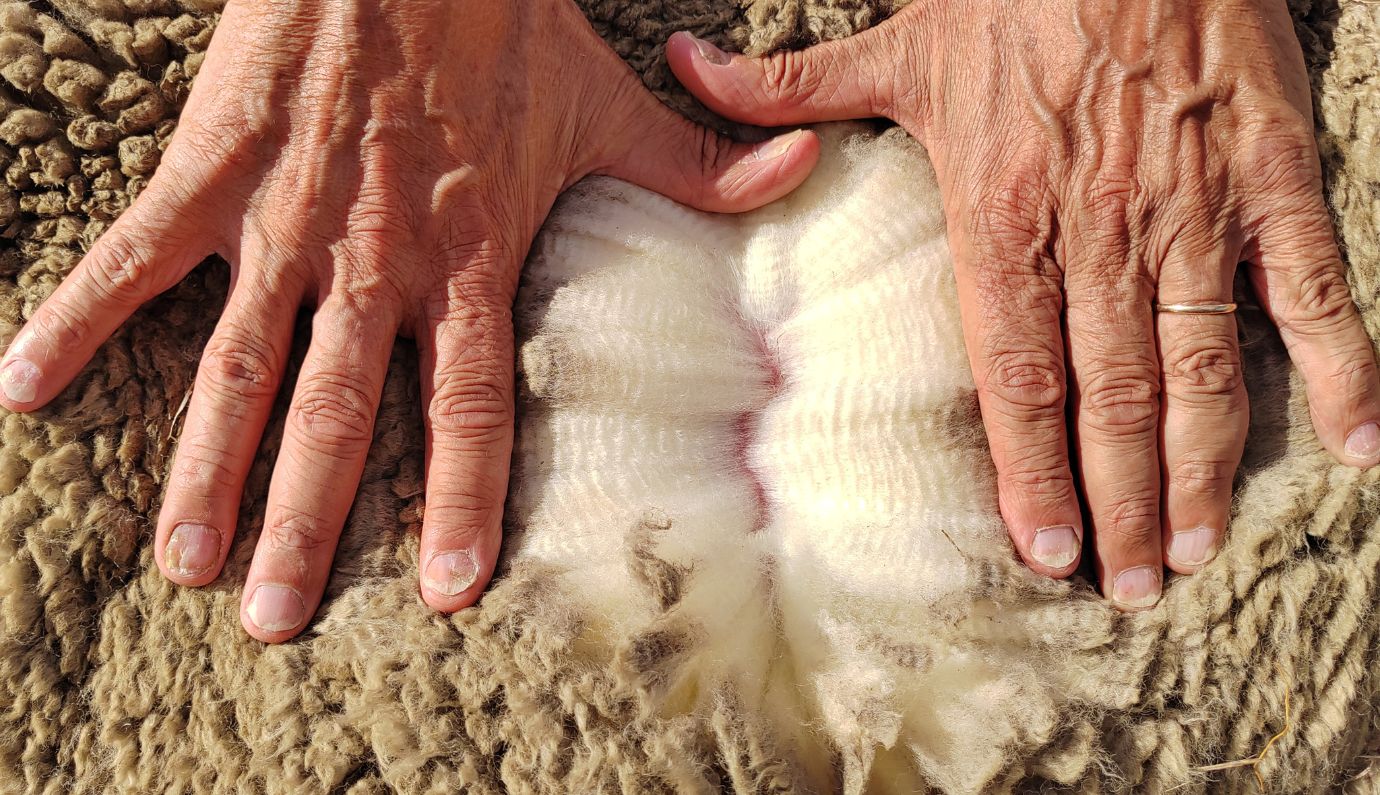
There are breeds of sheep and regions where mulesing is not necessary. The Merino sheep living in Uruguay, in a climate without the flystrike problems of Australia, is naturally less affected by this issue. Uruguayan sheep have fewer skin folds and therefore do not have to go through this procedure.
That is exactly why we chose Uruguayan merino wool. Not because it is easier, the chain is longer and demands more attention, but because it is the only honest choice if you really want to stand behind what you sell.
NATIVA™: certification you can trust
So that you do not have to judge for yourself which brand is trustworthy, you can look for certifications. One of the strictest in this area is NATIVA™, a certification from The Woolmark Company that sets requirements for:
- Animal welfare (mulesing-free is compulsory)
- Environmental management on the farm
- Traceability: from sheep to finished product
- Social conditions for workers
The wool in our socks carries this certification. That means you know exactly what you are buying, and who from.
Conscious buying does not have to be complicated
We understand it can feel overwhelming at times. Sustainability, animal welfare, certifications; there is a lot to read and sometimes it all looks like marketing. That is why we try to be as transparent as possible about our chain: the sheep are in Uruguay, the wool is processed in Finland, and every step in between is documented.
Buying a pair of socks may be a small choice. But small choices added together make a difference; for the animals, for the producers, and in the end for you too. Because when you know that what you are wearing was made well, it simply feels better to wear.